


EPR in Europe for e-commerce – obligations, registration and risk of sales blocking
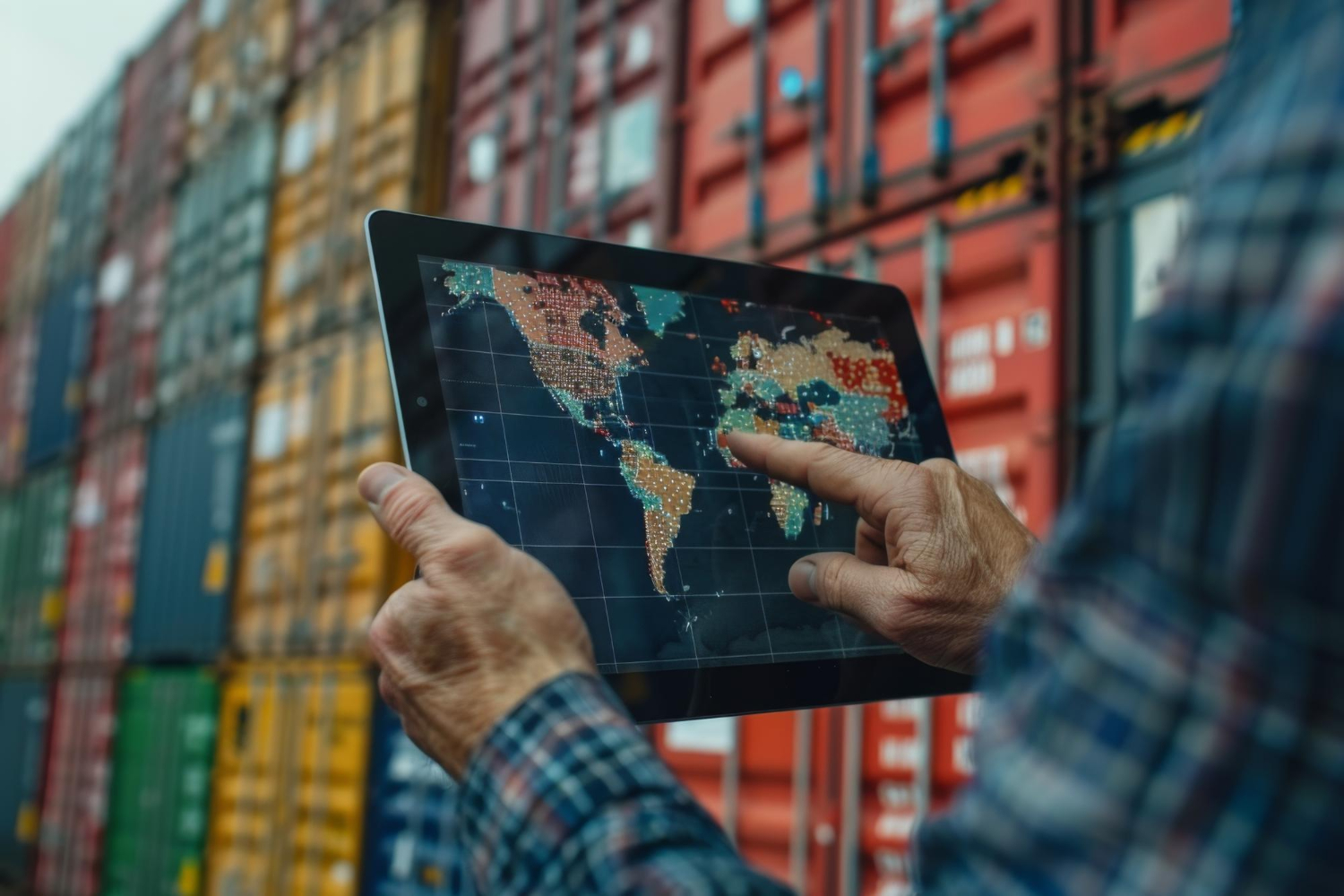
The development of online sales on foreign markets gives entrepreneurs enormous opportunities, but it also involves the need to meet local legal requirements. One of the key areas for companies operating in e-commerce are obligations arising from the Extended Producer Responsibility (EPR) system.
EPR regulations apply to entrepreneurs introducing certain products to the markets of European Union countries. Depending on the product category, they may include, among others, packaging, electrical and electronic equipment, and batteries. For online sellers, this means the necessity of registration, maintaining records, and regular reporting.
What is EPR and why does it apply to online sellers?
EPR (Extended Producer Responsibility) is a system that imposes responsibility on entrepreneurs for the management of waste generated in connection with the products they introduce.
These obligations may apply not only to manufacturers but also to importers and online stores conducting cross-border sales within the European Union.
EPR and marketplace sales
Sales platforms increasingly require entrepreneurs to confirm compliance with local environmental regulations. Lack of appropriate registrations or documentation may result in sales restrictions, hiding offers, or the need to provide the required information.
EPR in Europe – different countries, different requirements
Despite common EU principles, EPR systems differ depending on the country. An entrepreneur selling products in Germany, France, Spain, or other EU countries must verify local requirements in each case.
How to prepare a company for EPR obligations?
The process should begin with an analysis of the business activity and determining the categories of products sold on individual markets. Then it may be necessary to complete registration, implement reporting procedures, and ensure compliance with local regulations.
Rulity Consulting support for e-commerce
Rulity Consulting supports entrepreneurs conducting online sales in the area of EPR obligations on European markets, helping with the analysis of requirements, registration processes, and maintaining regulatory compliance.
Frequently asked questions about EPR
Does the EPR obligation apply to every online store?
The EPR obligation depends on the type of products and the countries in which the entrepreneur conducts sales. Many e-commerce companies selling on EU markets may be subject to obligations related to registration, reporting, and financing waste management.
Does one EPR registration apply throughout the entire European Union?
No. Each European Union country has its own systems and requirements regarding EPR. An entrepreneur selling in several countries must verify obligations separately for each market.
What can be the consequences of non-compliance with EPR requirements?
Lack of required registration or documentation may lead to sales problems, restrictions on marketplace offers, administrative penalties, and increased legal risk for the entrepreneur.